Japanese Animation: A 60-Year Journey of Artistic Evolution
From the scratchy, hand-painted textures of the 1960s to the hyper-saturated digital landscapes of today, the history of Japanese animation is a roadmap of shifting technology and human emotion.
To understand why we watch what we watch, we must look at the decades that shaped the medium. This guide explores the evolution from the birth of TV animation to the current streaming-driven blockbusters.
* The Evolution of Medium: The transition from analog cel animation to digital CGI redefined how stories are told visually. * Genre Shifts: The movement from giant robot dominance to psychological, slice-of-life, and dark fantasy themes. * Technological Catalysts: How hardware—from TV sets to VHS to streaming—and production studios dictated artistic trends. * Cultural Reflection: How Japan's socio-economic shifts, from post-war recovery to the Digital Age, mirrored in the narratives we consume.

The Foundation (1960s–1970s): How did it all begin?
In a small, cramped studio in the early 1960s, an animator wipes a smudge off a glass pane, preparing for the next frame. The air smells of ink and cigarette smoke, and the flickering light of a cathode-ray tube television illuminates the room.
The foundation of the entire industry was laid when Osamu Tezuka introduced *Astro Boy* in 1963. Because television budgets were minuscule compared to theatrical films, creators had to innovate.
This led to the "limited animation" technique—reducing the number of frames per second to save money—which ironically created the iconic, stylized movement we associate with the medium.
As the 1970s progressed, the focus shifted toward the heavens. The rise of space operas and the foundation of the "Mecha" genre, exemplified by *Mazinger Z* in 1972, turned giant robots into cultural icons.
Creators established the visual language of exaggerated eyes and expressive hair to make characters pop on low-resolution screens. This era turned animation from a theatrical novelty into a weekly ritual for households.
But as budgets grew, the medium prepared for a massive explosion of color and scale.
The Golden Age of Cel Animation (1980s): Why did the quality explode?
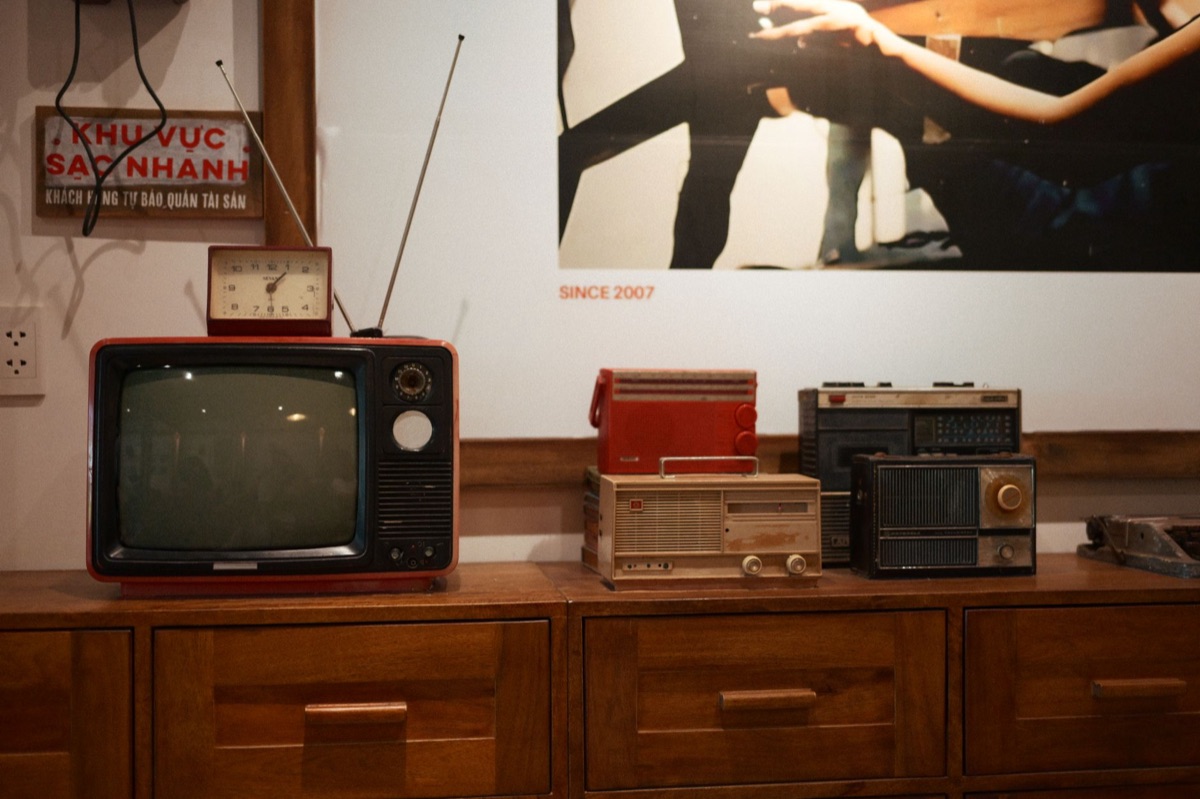
A collector sits in a dimlyly lit living room in 1988, sliding a heavy VHS tape into a player. The screen crackles to life with the visceral, hand-painted chaos of *Akira*, revealing a level of detail previously thought impossible for animation.
The 1980s represented the peak of the "Bubble Economy" in Japan, where massive budgets flowed into production. This era saw the advent of the OVA (Original Video Animation) revolution.
Because fans could now own high-quality tapes via VHS, studios could produce adult-oriented, high-budget projects like *Akira* that didn't need to cater to broad TV audiences.
During this decade, the "Mecha" genre split. While "Super Robots" remained popular, the influence of *Mobile Suit Gundam* pushed the genre toward complex, political "Real Robot" narratives.
Simultly, Studio Ghibli’s ascent—sparked by *Nausicaä of the Valley of the Wind* in 1984—brought high-art cinematic quality to the mainstream. The visual aesthetic was defined by the organic, rich textures of hand-painted cels, creating a depth that feels uniquely tactile.
As the hand-painted era neared its end, the stories themselves began to turn inward.
The Psychological & Experimental Era (1990s): Why did the stories get so dark?
A teenager stares at a television screen in 1995, own eyes wide, own mind reeling from the existential dread of a giant robot pilot's mental breakdown. The room is silent, save for the haunting, atmospheric soundtrack of a show that feels more like a fever dream than a cartoon.
In the mid-90s, the industry underwent a massive identity crisis. The *Neon Genesis Evangelion* phenomenon in 1995 shattered the genre. It moved the focus from "fighting monsters" to the internal, psychological struggles of the pilots themselves.
This era was about deconstruction—taking the tropes of the 70s and 80s and tearing them apart to find the human truth underneath.
As the decade progressed, dark fantasy and cyberpunk reached their zenith. *Ghost in the Shell* (1995) explored the philosophy of the soul in a digital world, while *Cowboy Bebop* (1998) blended jazz, noir, and space westerns.
This was also the era of global expansion, as the Western "Otaku" subculture grew through the import of these gritty, sophisticated works. The transition from physical cels to early digital coloring began to whisper in the background, signaling the end of the analog era.
But what happens when the physical paint disappears?
The Digital Revolution & The "Moé" Era (2000s): How did computers change the look?
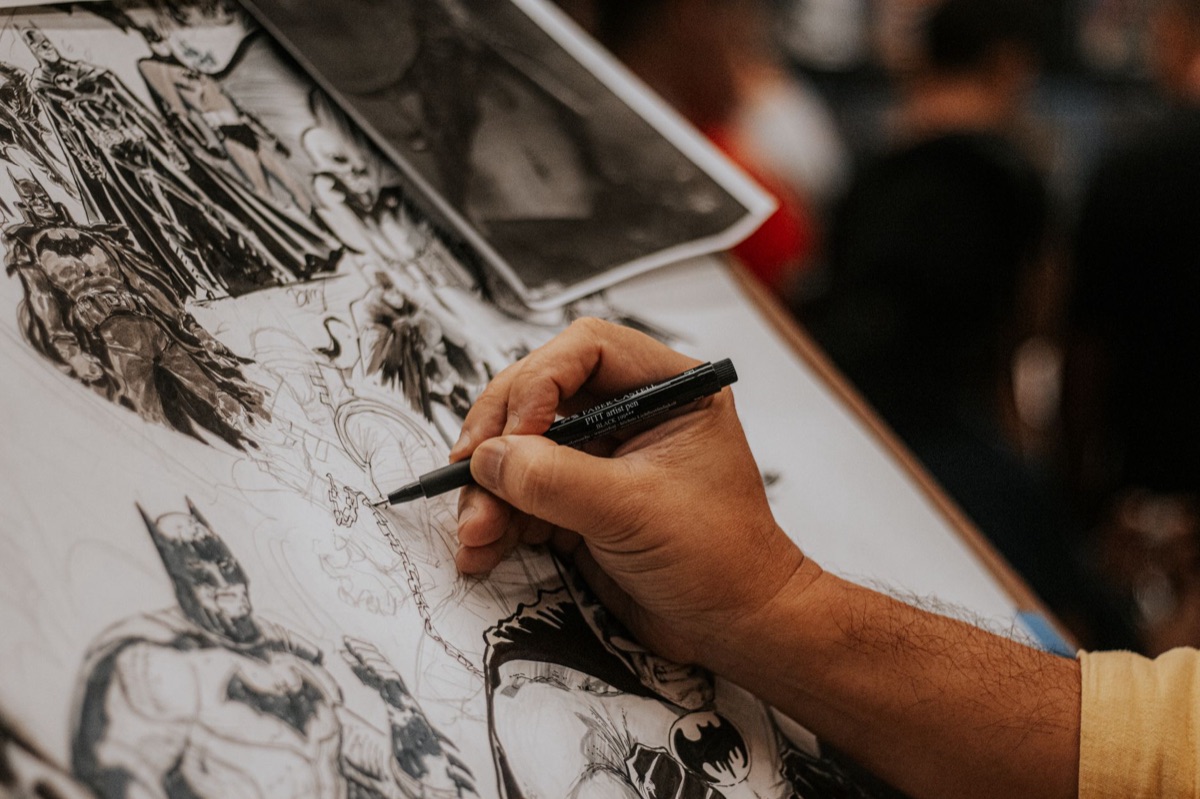
A designer sits at a sleek workstation, clicking a mouse to apply a digital gradient to a character's hair. The physical stacks of painted plastic sheets are gone, replaced by the clean, sterile glow of a computer monitor.
The complete shift to digital production—Digital Ink & Paint—effectively ended the era of cel animation. This transition allowed for much cleaner visuals and more complex coloring, but it also changed the "feel" of the medium.
With the disappearance of the organic cel texture, the industry turned toward character-driven aesthetics known as "Moé."
This era saw the rise of the "Slice-of-Life" genre, heavily influenced by the meticulous character work of studios like Kyoto Animation. While the focus moved toward "cute" aesthetics, directors like Makoto Shinkai began experimenting with digital-first storytelling.
His early work, such as *Voices of a Distant Star* (2001), utilized hyper-realistic lighting and digital backgrounds to create emotional, atmospheric landscapes. The business model also shifted toward the "Production Committee System," allowing for the high-volume seasonal releases we see today.
Now, the digital world has merged with the hand-drawn world to create something entirely new.
The Modern Era (2010s–Present): What is the future of the hybrid age?
A viewer in 2024 watches a tablet screen where a 2D character moves through a sprawling, 3D-rendered city. The transition between the hand-drawn lines and the digital environment is so seamless that the eye barely notices the jump between dimensions.
Today, we live in the age of the hybrid. The most successful modern works, such as *Demon Slayer* and *Attack on Titan*, seamlessly blend traditional 2D character art with sophisticated 3D/CGI environments.
This technology allows for dynamic camera movements and epic scale that were impossible in the analog decades.
The landscape is now dominated by the streaming-driven economy. With platforms providing instant global access, the "seasonal" nature of anime has become more intense than ever.
We are seeing a convergence of all previous eras: the psychological depth of the 90s, the visual polish of the 2000s, and the technical mastery of the modern era.
Comparative Evolution of the Medium
| Era | Primary Medium | Primary Narrative Focus | Key Technological Driver |
|---|---|---|---|
| 1960s-70s | Analog Cel (TV) | Heroic struggles & Sci-Fi | Weekly TV Broadcasts |
| 1980s | High-Budget Cel (OVA) | War, Politics, & Space Opera | VHS / Bubble Economy |
| 1990s | Late Cel / Early Digital | Psychology & Deconstruction | Global VHS/DVD Imports |
| 2000s | Digital Ink & Paint | Character-driven / Slice-of-Life | Digital Workstations |
| 2010s-Present | Hybrid 2D/3D CGI | Epic Scale & Visual Spectacle | Digital Streaming |
How to Navigate the Eras: A Step-by-Step Guide for New Viewers
If you want to experience the evolution of the medium, follow this path to see how the art changed:
- Start with the Foundation: Watch a classic 60s/70s show to understand the "rules" of the genre (e.g., *Astro Boy* or *Mazinger Z*).
- Experience the Peak: Watch an 80s masterpiece like *Akira* to see the absolute limit of hand-painted cel animation.
- Feel the Deconstruction: Watch *Neon Genesis Evangelion* to see how the industry turned inward to explore the human psyche.
- Observe the Digital Shift: Watch a 2000s title to see how the "clean" digital look redefined character design.
- Witness the Hybrid Era: Watch a modern blockbuster like *Demon Slayer* to see how 3D technology interacts with 2D art.
Understanding the Limits of the Medium It is important to note that while technology has improved, "better" is subjective. Digital animation can sometimes lack the warmth and organic imperfections of the 1980s cel era. Conversely, the 1960s animation can feel jarringly slow to modern viewers used to high frame rates. Choosing an era is often a matter of personal taste for texture versus clarity.
#



Comments 0