Why SF mecha is popular and its human drama
The heavy hum of a hydraulic piston echoes through a dark hangar, signaling the awakening of a giant steel frame.
The popularity of the SF mecha genre comes from its unique ability to blend high-stakes technological spectacle with profound human emotion.
This genre captivates audiences by using massive mechanical constructs as metaphors for societal change, personal growth, and the tension between humans and machines.
* Technological wonder paired with human drama. * Visual spectacle of complex mechanical designs. * Exploration of philosophical themes through science fiction.
Why SF mecha is popular?
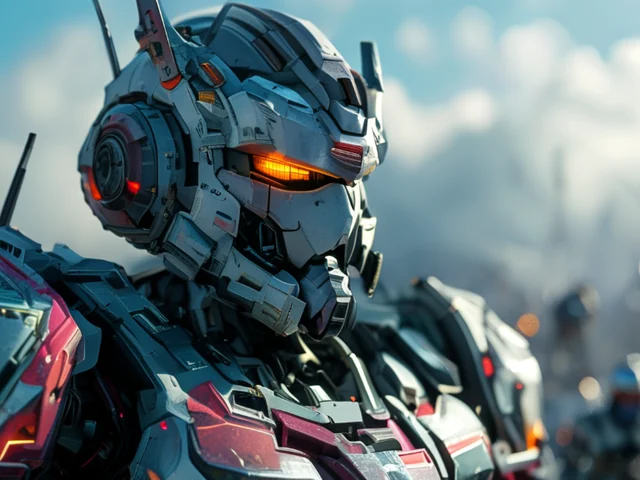
At midnight in the dark living room, I feel the cold air as I watch a massive mecha stomp through a neon city on the screen.
A viewer sits in a dimly lit room, the blue glow of a screen reflecting in their eyes as a massive robot strides through a futuristic cityscape.
The SF mecha genre remains a powerhouse because it offers a dual layer of engagement: the visceral thrill of mechanical combat and the deep psychological exploration of the pilots.
The rise of mecha genre is driven by the visual satisfaction of seeing intricate machinery operate with purpose. This aesthetic appeal allows creators to push the boundaries of animation, showcasing detailed metal textures and complex movement.
Beyond the surface, the genre serves as a vessel for exploring how advanced technology alters the human condition.
However, the appeal may be limited when the mechanical designs lack a clear connection to the narrative's internal logic.
How has the mecha genre evolved?
A designer sketches a blueprint on a tablet, refining the joint movements of a mechanical limb to ensure it feels weighted and real. The mecha genre evolution shows a transition from simple, heroic machines to complex, gritty, and often tragic war machines.
Early iterations focused on the wonder of invention, presenting robots as symbols of progress or pure heroism. Over time, the genre shifted toward realism, where the machines became tools of conflict, highlighting the heavy cost of war and the fragility of the humans inside them.
This shift allowed for more sophisticated storytelling that resonates with mature audiences.
- The emergence of early super robot archetypes.
- The transition toward more realistic, military-inspired designs.
- The integration of complex psychological themes within pilot narratives.
What are the current SF mecha trends?
An animator adjusts the lighting on a metallic shoulder plate, ensuring the shadows fall correctly across the cockpit hatch. Current SF mecha genre trends indicate a move toward integrating organic elements with mechanical structures, creating a hybrid aesthetic that feels both alien and familiar.
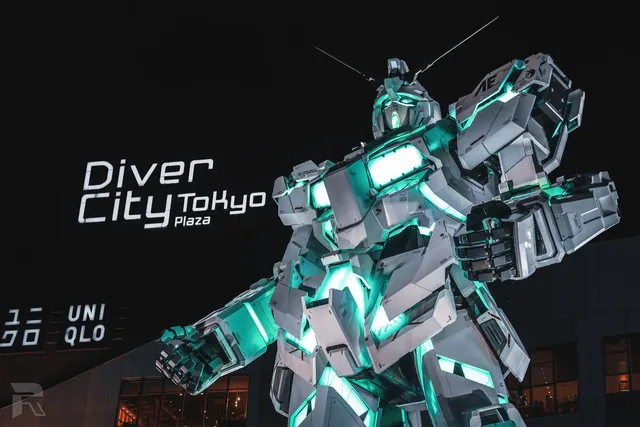
As technology in the real world advances, the genre adapts by incorporating concepts like artificial intelligence and cybernetic enhancement. These trends reflect contemporary anxieties about our relationship with digital and physical tools.
The industry continues to refine these visual styles to maintain a sense of awe while grounding the machines in believable physics.
I find that the second stage of this evolution is the most significant.
Mecha genre popularity through design
A collector carefully places a heavy, die-cast metal model on a glass shelf, feeling the cold weight of the articulated armor. The mecha genre popularity is deeply tied to the tangible appeal of mechanical design, which translates seamlessly from the screen to physical collectibles.
Detailed mechanical blueprints and distinct silhouettes allow fans to identify iconic machines instantly. This design-centric approach fosters a dedicated community of enthusiasts who appreciate the engineering logic behind the fiction.
The ability to own a piece of that mechanical world through high-quality models keeps the genre's presence strong in the consumer market.
This trend does not necessarily apply to niche genres that prioritize abstract aesthetics over functional realism.
Understanding the rise of mecha genre
A writer stares at a blank page, contemplating how a pilot's fear can be mirrored by the shaking of a cockpit. The rise of mecha genre is not merely about the robots themselves, but about the intense, intimate connection between the pilot and the machine.
- Establish a clear link between the pilot's emotional state and the machine's performance. 2. Use mechanical malfunctions to heighten tension during critical narrative moments. 3. Develop a distinct visual language for the technology to establish the world's rules.
I have often found that the most memorable moments occur when the mechanical scale makes the human character feel both incredibly powerful and devastatingly small. After completing these steps, one should check if the machine feels like a character in its own right rather than just a vehicle.
I believe the middle step in this progression is the most crucial.
Mecha industry strategies
A producer reviews a budget spreadsheet, weighing the costs of high-fidelity CGI against traditional hand-drawn animation. The mecha industry strategies often involve balancing massive production scales with niche marketing for collectors.

Studios frequently leverage high-quality mechanical designs to drive merchandise sales, which can sustain long-running series. By focusing on both the cinematic experience and the collectible aspect, creators ensure the genre reaches both casual viewers and dedicated hobbyists.
This dual approach helps maintain the genre's economic viability in a competitive market.
However, these strategies may yield limited results if the intellectual property lacks strong character engagement.
The subject here is Why SF mecha is popular.
The same subject is also called History of SF mecha.
This part also covers Reasons for mecha craze.
Related




Comments 0