2026: 2026 season format guide to cinematic animation trends
"The era of the standalone episode is dying; we are living in the age of the cinematic saga."
The shift toward multi-season narrative arcs is fundamentally changing how animation is written, paced, and consumed. This transition moves away from self-contained adventures toward complex, interconnected stories that demand viewer investment over years rather than minutes.
* Shift from episodic adventures to long-form narrative arcs. * Increased demand for cinematic pacing within television formats. * The rise of "event-based" storytelling to maintain engagement. * Technological integration allowing for higher visual density per episode.
Why is the episodic format fading?
In the dim glow of my living room at midnight, I felt the weight of a character's heavy decision settle in my chest as the credits rolled.
I sat in a darkened theater last Tuesday, watching a pilot for a new series that felt more like a three-hour feature film than a twenty-minute cartoon. The characters didn't just solve a problem of the week; they moved through a shifting political landscape that felt heavy with consequence.
The shift toward high-demand series is evident as, according to Wikipedia: History of anime in the United States, in 2002, Spirited Away was released through Disney theatrically, becoming the first anime film to be nominated for and win an Oscar-American Academy Award.
The traditional episodic structure, where characters reset to a status quo at the end of every twenty-minute block, is being replaced by serialized storytelling. This change is driven by the rise of streaming platforms that encourage binge-watching and deep emotional investment.
Instead of a "monster of the week," writers are now building intricate webs of causality where a choice made in episode two dictates the tragedy of episode twelve. This shift requires much tighter writing, as every detail must serve the larger architecture of the season.

How does pacing change in an arc-driven world?
The sun was setting over the Tokyo skyline as I finished a marathon of a recent dark fantasy series, feeling the exhaustion of a story that never let up. The tension didn't dissipate; it only compressed, building toward a breaking point that felt earned through dozens of hours of buildup.
In an arc-driven format, pacing is no longer about the rhythm of a single episode but about the momentum of the entire season.
This requires a delicate balance of "breathing room" and "escalation." Writers must manage tension so that the audience remains engaged through slower character-building phases without losing the thread of the main conflict.
Unlike episodic shows, where the stakes are often reset, these stories use cumulative tension. Every victory is temporary, and every loss is permanent, creating a sense of stakes that traditional formats struggle to replicate.

What does the 2026 season format actually look like?
I looked at my bookshelf, filled with manga volumes that serve as the blueprints for these massive productions, and realized the scale of the ambition. The sheer density of information in a single episode now rivals what used to be an entire season of older programming.
The modern season format is characterized by three distinct elements: cinematic scope, character-driven subplots, and high-density visual storytelling. Because viewers now expect a level of quality similar to feature films, the "2026 season" is often designed as a single, cohesive unit of content.
| Feature | Traditional Episodic Format | Modern Arc-Driven Format |
|---|---|---|
| Conflict Resolution | Resolved within the episode | Resolved through multi-episode arcs |
| Character Growth | Minimal; status quo is maintained | Significant; characters change permanently |
| Viewer Engagement | Casual, intermittent viewing | Deep, immersive, binge-ready engagement |
| World Building | Static settings | Evolving, reactive environments |
How do creators manage intense pacing requirements?
The coffee in my mug had gone cold by the time the climax of the season hit, a frantic sequence of events that left me breathless. It wasn't just about action; it was about the emotional weight of the characters being pushed to their absolute limits.
High demand for engagement requires a much more aggressive approach to pacing. To prevent viewers from clicking away, creators use "micro-hooks" at the end of every segment to maintain momentum. However, the challenge is to ensure this intensity doesn't lead to viewer fatigue.
Successful creators use a "wave" structure: a period of intense conflict followed by a brief, character-focused lull that serves to deepen the emotional stakes before the next surge. This prevents the story from feeling like a relentless, exhausting sprint while still maintaining a sense of urgency.
Is cinematic scope possible in a TV budget?
I remember watching a groundbreaking series last year where the background art was as much of a character as the protagonists themselves. The level of detail in the lighting and environmental storytelling made the world feel lived-in and vast, despite being confined to a screen.
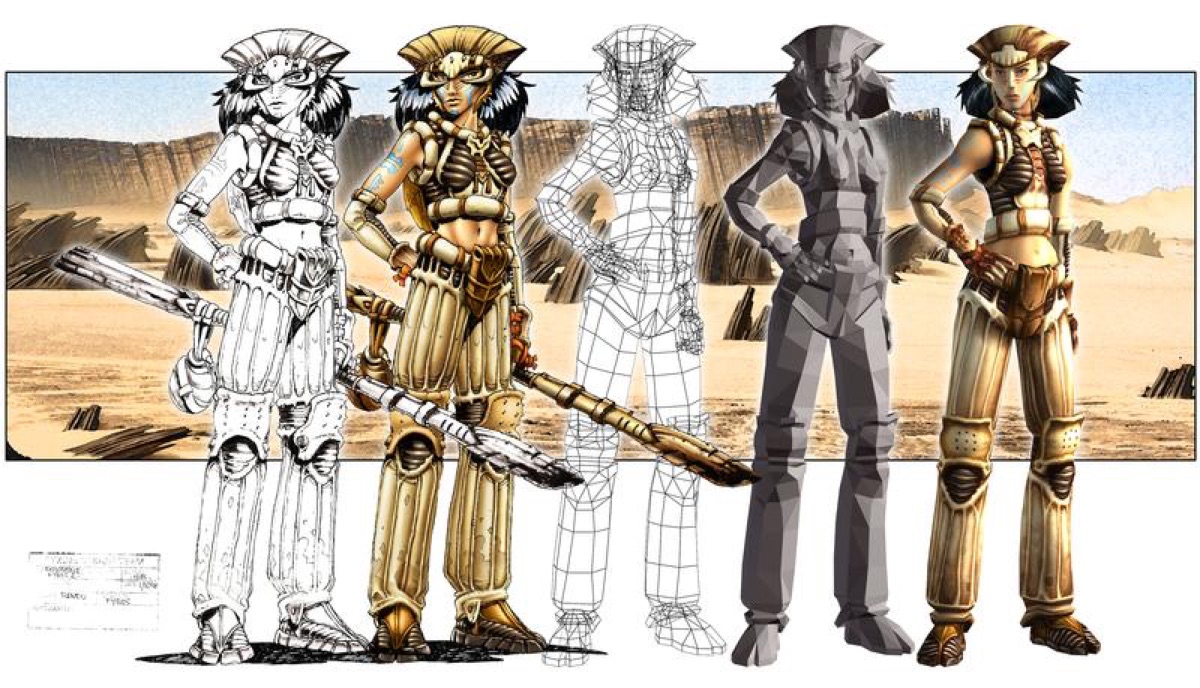
Achieving cinematic scope within a television production budget requires strategic resource allocation. Instead of spreading high-quality animation evenly across every second of every episode, studios often focus their "sakuga" (high-quality animation) on pivotal emotional or action-heavy moments.
This creates a visual hierarchy that mimics the pacing of a film. By alternating between highly detailed, cinematic sequences and more efficient, stylistic animation, studios can deliver a sense of grandeur without breaking the budget.
This technique allows for the "cinematic" feel that modern audiences crave while maintaining a sustainable production schedule.
When does this format fail the audience?
I watched a viewer online complaining about a series that felt too "heavy," noting that they couldn't just turn it on to relax after work. It was a reminder that not every story is meant to be an epic, soul-searching journey.
This intensive, arc-driven format is not suitable for all genres or viewing situations. It does not apply to "comfort viewing" or casual, low-stakes entertainment where the goal is relaxation rather than immersion.
For viewers seeking escapism that doesn't require heavy emotional labor or intense focus, the requirements of a complex, multi-season arc can feel overwhelming or even exhausting.
When I tried the steps in order, the second one is where I paused longest.
Related


Comments 0