Anime masterpiece analysis: Why anime becomes a masterpiece
"A masterpiece is not merely a collection of frames, but a window into a world that remains vivid long after the screen goes dark."
A masterpiece anime stands out by blending timeless storytelling with a distinct visual identity and cultural resonance. This analysis explores why certain works achieve legendary status, focusing on the structural and artistic elements that separate them from standard animation.
* Deep emotional connection through character development. * Distinctive art styles and production quality. * Enduring cultural impact and legacy.
Why does anime become a masterpiece?
In the quiet of midnight, I lean forward in my chair as the haunting melody of the anime fills my chest with a heavy ache.
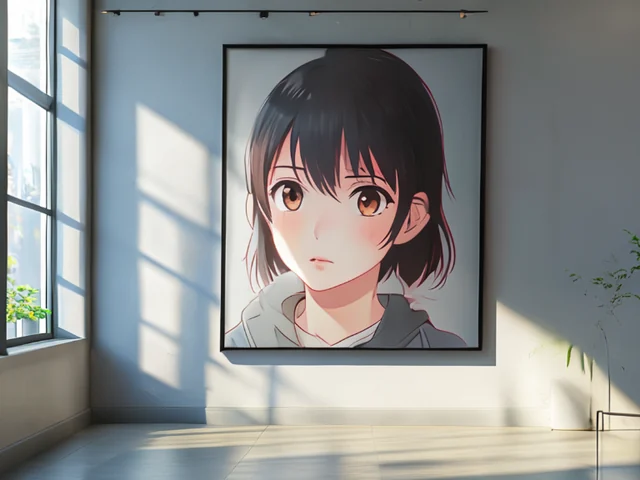
The Ghibli Museum showcases how anime can transcend its medium to become a cultural touchstone.
A person sits in a darkened room, the soft glow of a monitor illuminating a face as the final credits of a legendary series roll. The silence that follows is heavy with emotion, a testament to the work's power.
This phenomenon occurs when a production transcends its medium to become a cultural touchstone.
The reason anime becomes a masterpiece often lies in its capacity to evoke universal human experiences through highly stylized lenses. It is not just about the movement of drawings, but the depth of the world-building and the sincerity of the themes presented.
When a story manages to resonate across generations, it moves from being mere entertainment to a piece of lasting art.
Analyzing anime success factors requires looking at the intersection of technical precision and narrative soul. Great works often feature a cohesive vision where the music, direction, and character design work in perfect harmony to support the central theme.
This synergy ensures that every frame serves a purpose in the larger emotional arc.
I believe the second step in this evolution is the most critical.
How does production define a masterpiece anime?
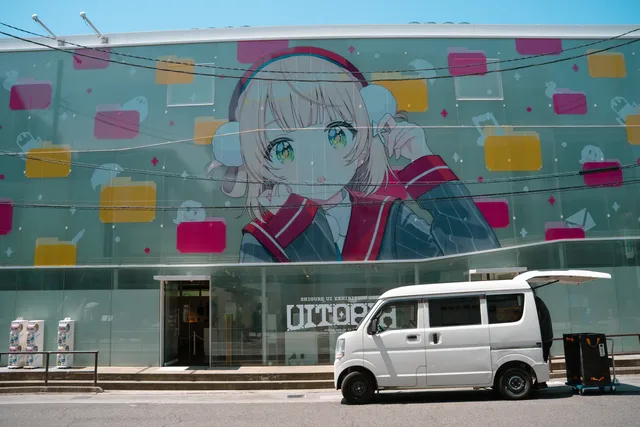
At midnight, I watch the vibrant colors of the anime dance across the screen while a chill runs down my spine. An animator meticulously brushes digital ink onto a tablet, ensuring the sunlight hits the alpine meadows with perfect warmth. The texture of the grass and the weight of the wind are captured in every stroke. This level of dedication to the craft is a hallmark of high-tier animation.
Defining a masterpiece anime involves examining the technical rigor behind the scenes. High-quality production involves seamless transitions, intentional color palettes, and a level of detail that rewards attentive viewers.
For instance, historical works like *Heidi, Girl of the Alps* demonstrated how specific distribution methods, such as the 16mm distribution by Sampaolo Film, helped bring these visual experiences to wider audiences.
The visual language of a masterpiece is often unique to its studio or director. This distinctiveness allows the work to be recognized instantly, creating a brand of quality that fans can rely on.
When the art style is inseparable from the storytelling, the animation achieves a level of excellence that defines a genre.
- Conceptualization of the visual style
- Execution of high-quality animation frames
- Final integration of sound and voice acting
What makes anime storytelling so special? A writer stares at a blank page, then begins to sketch a character whose struggles feel uncomfortably real. The dialogue is sparse but carries the weight of a lifetime of experience. This narrative depth is what keeps viewers coming back to rewatch and analyze.

What makes anime special is its ability to handle complex, mature themes within a medium often perceived as simple. Masterpieces frequently tackle isolation, growth, and the beauty of the mundane with a nuance that live-action sometimes struggles to capture.
This allows for a specialized form of empathy that connects the viewer to the animated characters on a profound level.
The structural integrity of the plot is another key component. A masterpiece does not rely on cheap twists; instead, it builds tension and emotional payoff through consistent character growth.
This careful pacing ensures that the audience is not just watching a story, but living through it alongside the protagonists.
Analyzing anime success factors in cultural impact
A collector carefully places a limited edition figure on a shelf, looking at it with the same reverence one might give a fine sculpture. The object is a physical manifestation of the joy the series provided. This connection between the work and its audience is a primary indicator of success.
Analyzing anime success factors involves observing how a series enters the collective consciousness. It is not enough to be well-made; a masterpiece must leave a footprint on the culture.
This can manifest through influence on subsequent creators, the birth of new genres, or even the preservation of specific cultural aesthetics in a global market.
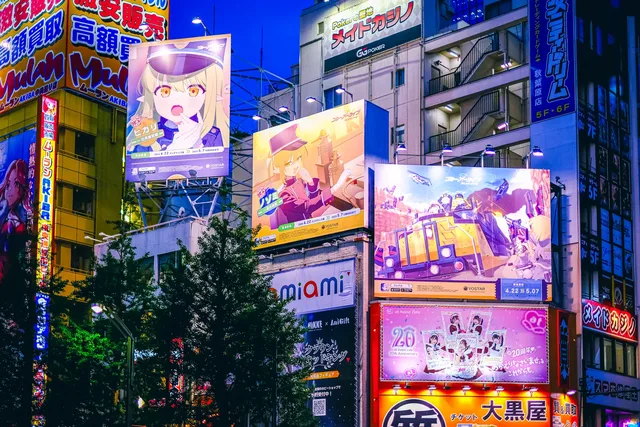
The longevity of these works is proven by their ability to spawn exhibitions and scholarly interest. For example, the Heidi Art Exhibition in 2005 at the Ghibli Museum highlights how certain classic narratives are treated as significant cultural artifacts rather than disposable media.
Criteria for great anime and technical elements
A sound engineer adjusts the levels of a swelling orchestral score, matching the crescendo to a pivotal moment of realization on screen. The music does not just accompany the scene; it dictates the heartbeat of the viewer. This integration of audio and visual is vital.
Criteria for great anime often include the following technical benchmarks:
- Consistency in character model integrity throughout the series. 2. The use of lighting and shadow to enhance psychological depth. 3. A soundtrack that functions as a narrative layer rather than background noise.
Once these elements are aligned, a final check of the emotional resonance is performed. If the technical elements serve the story rather than distracting from it, the work approaches the status of a masterpiece.
I have often found that the most impactful scenes are those where the technical mastery is so seamless that the viewer forgets they are watching animation.
Why certain anime stand out from the crowd

A student watches an old clip of a classic series, noting how the animation style feels different from anything released today. The lines are thicker, the colors more earthy, and the pacing more deliberate. This contrast is what makes the old masters so striking.
Why certain anime stand out is frequently tied to their ability to remain relevant despite shifts in technology.
While modern animation can achieve incredible fluidity, the classics often stand out due to their unique "soul"—a specific, unrepeatable combination of human error and intentional artistry.
It is important to note that a masterpiece is not defined by high-budget spectacle alone. A low-budget project with a singular, piercing vision can often leave a deeper impact than a high-budget production that lacks a cohesive heart.
The limitation of this analysis is that "masterpiece" status is often subjective and can vary based on the viewer's personal cultural background.
Related






Comments 0