What were the retro anime success factors?
"The transition from hand-drawn cells to digital mastery defined an era of unprecedented global expansion."
This retrospective examines how the 90s and 2000s shaped the modern anime landscape, moving from niche domestic markets to a dominant global force.
Readers interested in industry shifts, market evolution, or genre trends will find that the success of these eras laid the groundwork for today's record-breaking demand.
Key takeaways include the rise of merchandise revenue, the dominance of specific geographic markets, and the shift in viewing habits among younger generations.
How did 90s 2000s anime legends change the market?

A collector sits on a worn rug, carefully sliding a vintage DVD case into a plastic sleeve while the soft hum of a CRT television fills the room. During the late 90s and early 2000s, the industry began shifting from a domestic focus to a powerhouse of physical media.
The profitability of the DVD market served as a primary indicator of this success, accounting for nearly 70% of total sales.
This era proved that animation was not merely a subculture but a significant economic driver. In 2001, animation accounted for 7% of the Japanese film market, notably exceeding the 4.6% market share held by live-action works.
This period established the foundation for the massive global demand we see in modern hits.
What were the retro anime success factors?
During those early years, fans in cozy living rooms were squinting at the screen to catch the soft glow of hand-drawn textures.
A fan scrolls through a digital library, comparing the sharp lines of a new release with the softer, textured aesthetic of a classic series. The evolution of the medium involved balancing storytelling with increasing technical complexity.
Understanding the 90s 2000s anime evolution requires looking at how studios transitioned from traditional methods to digital workflows.
The success of these legends was tied to their ability to capture specific demographics. While older viewers established the initial fanbases, the industry has seen a massive shift in engagement.

Globally, 3 in 10 consumers reported watching anime weekly, and this proportion rises to 50% among Gen Z viewers. This demographic surge ensures that the legacy of the previous decades continues to fuel new growth.
How did anime genre trends 90s change the global reach?
A traveler in a bustling city watches a group of teenagers discussing a popular series on their smartphones. The expansion from local airwaves to international streaming has fundamentally altered the industry's footprint.
The reach of Japanese animation has become a global standard for animated content.
As of 2016, Japanese animation accounted for 60% of the world's animated television shows. This massive presence is supported by heavy hitters in specific regions. North America and Asia contributed a combined $14.3 billion in total revenue, accounting for over 72% of anime's global impact.
This geographic concentration shows how much the 90s and 2000s eras influenced Western and Eastern tastes alike.
What were the studio strategies in anime during growth?
An animator sits at a desk, carefully checking the timing of a digital frame to ensure the movement feels natural and fluid. Studios during the expansion years focused heavily on diversifying their income streams beyond just broadcast rights.
They realized that the characters themselves were valuable assets that could exist outside the screen.
The financial structure of the industry became increasingly reliant on these secondary products. The global anime market size was valued at $26.055 billion in 2021, with 29% of the revenue coming from merchandise.
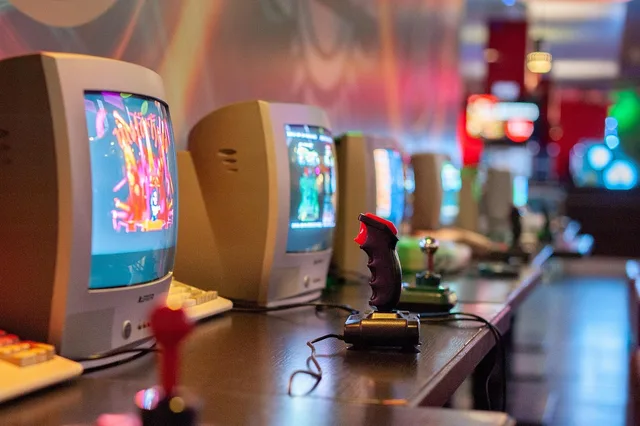
I remember seeing how a single popular character could transform a small hobbyist shop into a major retail destination through these licensed goods.
What are the anime ratings by era compared to today?
A viewer watches a modern blockbuster on a high-definition screen, noting the intense visual effects and rapid pacing. Comparing the legendary classics to modern records highlights how much the "demand" metric has scaled.
While the 90s and 2000s built the culture, today's hits are breaking unprecedented statistical barriers.
| Metric Period | Key Financial/Demand Data |
|---|---|
| 2001 Market Share | 7% of Japanese film market |
| 2024 Demand Rating | 71.2 times higher than average |
In 2024, Jujutsu Kaisen broke the Guinness World Record for the "Most in-demand animated TV show" with a global demand rating 71.2 times higher than that of the average TV show, previously held by Attack on Titan.
This level of engagement is the direct descendant of the fanbases cultivated during the retro era.
How to analyze the evolution of a classic series?
A researcher opens a thick notebook, jotting down notes on character arcs and production timelines while sitting in a quiet library. To understand how a series moves from a cult classic to a legend, one must follow a specific analytical path.
- Examine the production medium, noting the transition from hand-drawn cells to digital animation. 2. Track the revenue sources, specifically looking at the ratio of broadcast vs. merchandise sales. 3. Identify the core demographic that drove the initial popularity. 4. Verify the global demand metrics to see how the series performed outside its home country.

I have found that comparing these steps helps clarify why some series fade while others become eternal legends. One limitation to keep in mind is that these patterns may vary depending on the specific genre or the era of production.
- How did 90s 2000s anime legends change the market?
- What were the retro anime success factors?
- How did anime genre trends 90s change the global reach?
The subject here is 90s 2000s anime legends.
The same subject is also called classic anime era review.
The same subject is also called legendary anime analysis.
Related








Comments 0