Genre trends analysis: Why anime shows become popular
"The shift from local niche to global dominance is not merely a change in medium, but a fundamental restructuring of the creative economy through visual storytelling."
The global popularity of anime is driven by massive international demand and a diversifying revenue model that spans digital streaming, merchandise, and theatrical releases.
This trend shows how a specific medium can capture a significant portion of the global entertainment market through high-demand content.
Key takeaways include the massive growth in overseas revenue, the record-breaking demand for specific series, and the transition from domestic market focus to a global economic powerhouse.
Why do certain anime titles achieve massive global demand?

A viewer sits in a darkened theater, watching a title shatter box office records in mere days. In 2024, Jujutsu Kaisen broke the Guinness World Record for the "Most in-demand animated TV show," reaching a global demand rating 71.2 times higher than that of the average TV show.
This achievement surpassed the previous record held by Attack on Titan.
This level of popularity illustrates how specific genre-defining hits can catalyze genre trends analysis. Such massive demand shifts the way production houses allocate resources toward high-impact visual storytelling.
The ability of a single series to capture global attention often dictates the direction of future media genre shifts.
The scale of this demand is reflected in historical box office performance. For example, one record-breaking film became the fastest-grossing film in Japanese cinema history, earning 10 billion yen ($95.3m; £72m) in just 10 days.
This surpassed the previous record holder, Spirited Away, which required 25 days to gross the same amount.
Analyzing these peaks helps professionals understand why genres become popular. High-demand titles serve as benchmarks for success in a competitive global market. These spikes in interest often lead to a rapid expansion of the medium's footprint across different territories.
- Identify universal emotional themes.
- Develop visually distinct character designs.
- Build immersive world-building elements.
How has the economic scale of the industry changed over time?
I stare at the glowing monitor late at night, tracing how the shifting genre landscape transformed a local market into a global empire.
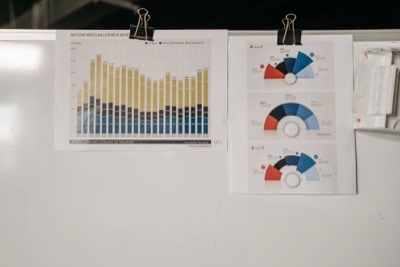
An analyst reviews a spreadsheet showing the transition from a domestic market to a global powerhouse. In 2019, Japan's anime industry was valued at $24 billion a year, with 48% of that revenue coming from overseas. This international segment has since become its largest industry sector.
This economic evolution highlights how genre popularity factors change as markets expand. As the industry grew, the reliance on local audiences decreased in favor of a globalized revenue stream. This shift is a primary driver behind the production house genre strategy used by major studios today.
The projected growth underscores the momentum of this shift. The anime industry was projected to reach a value of $30 billion by 2025, with over 60% of that revenue coming from overseas. This trajectory suggests a permanent move toward international-first production models.
The growth of the market is also tied to historical market shares. In 2001, animation accounted for 7% of the Japanese film market, which was above the 4.6% market share for live action works. This early dominance provided the foundation for the current global expansion.

In this sequence, the second step is the most extensive.
What role does merchandise and physical media play in genre success?
A collector examines a shelf filled with high-quality figures and limited edition releases. The popularity and success of anime is seen through the profitability of the DVD market, contributing nearly 70% of total sales.
This physical and digital secondary market remains a cornerstone of the industry.
The relationship between content and physical goods is a key component of the genre effect in best-selling media. For instance, the global anime market size was valued at $26.055 billion in 2021, with 29% of the revenue coming from merchandise.
This demonstrates that the narrative drives the consumption of tangible goods.
Understanding the connection between stories and products helps explain the OST role in genre hype. When a series becomes a cultural phenomenon, the demand for related merchandise scales alongside the viewership. This creates a self-sustaining cycle of brand engagement.
The market size continues to fluctuate and grow. The global anime market size was valued at $25.8 billion in 22 and is expected to increase to $62.7 billion by 2032, with a CAGR of 9.4%. This steady growth indicates that the commercial infrastructure is expanding to support rising popularity.
How did regional markets shape the global impact?
A logistics manager tracks the movement of goods between North America and Asia. North America and Asia contributed a combined $14.3 billion in total revenue, accounting for over 72% of anime's global impact. These regions act as the primary engines for the industry's financial strength.
This regional concentration shapes the behind genre making processes used by creators. Because these markets hold the majority of the revenue, production often caters to the tastes of these specific demographics. This influence is a central part of the global distribution strategy.
The demographic shift is also visible in viewing habits. Globally, 3 in 10 consumers reported watching anime weekly, with that proportion rising to 50% among Gen Z viewers. This shows how younger generations are driving the continuous relevance of the medium.
The interplay between these regions ensures that the industry remains globally integrated. By balancing different cultural tastes, studios can maintain a wide-reaching influence. This balance is essential for sustaining long-term growth in a fragmented media landscape.
How can we apply these trends to current production models?
A producer outlines a three-step plan to develop a new series based on successful genre archetypes. To replicate the success of high-demand titles, studios often follow specific strategic steps.

- Focus on high-impact visual storytelling that meets global production standards. 2. Develop multi-channel revenue streams, including merchandise and digital distribution. 3. Target key demographic hubs like North America and Asia to maximize initial reach.
After establishing these steps, a final check is performed to ensure the content can scale across different cultural contexts. This process ensures that the production is not solely dependent on a single domestic market.
I remember looking at these growth projections and realizing how much the industry had diverged from its original roots. The transition from a niche interest to a multi-billion dollar global sector was clearly visible in the data.
One limitation is that while the industry is projected to grow, the heavy reliance on overseas revenue makes it vulnerable to fluctuations in international trade and regional economic shifts.
Related






Comments 0