71.2x Demand: Music Fuels Animation's Global Success
"When the music stops, the story truly begins."
The soul of an animated masterpiece isn't found in the lines on a screen, but in the melodies that fill the empty spaces between them. While one viewer might marvel at the fluid motion of a character, another might find themselves moved by the subtle tremble of a violin in the background.
* How a composer’s philosophy and instrument choice shape the emotional landscape. * The role of sound design in bridging the gap between visual storytelling and reality. * How genre-specific musical cues create distinct auditory experiences. * The economic impact of soundtracks in a booming global industry.
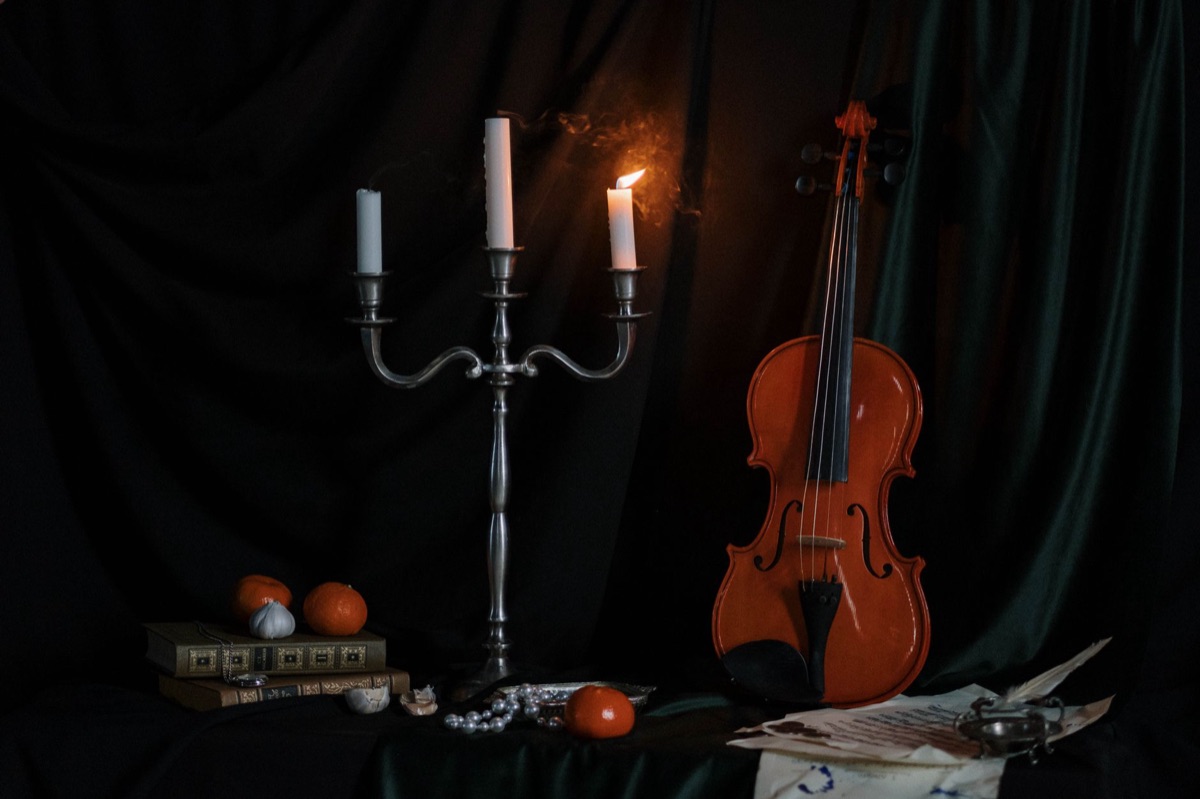
How does a melody become a story?
Late at night, in a quiet room with nothing but the glow of a monitor, I often find myself sitting with headphones on, lost in a single scene. I remember leaning back in my chair, the weight of the headphones pressing against my ears, as a single cello note shifted the entire mood of a dark room.
When a protagonist stands alone in a desolate landscape and a low, mournful cello begins to play, the feeling of loss becomes palpable without a single word being spoken. In animation, music is much more than background noise; it is a primary driver of the narrative.
Composers select specific instrumental combinations to breathe life into character identities.
For instance, a fantasy epic might lean on harps and woodwinds to evoke a sense of wonder, while a cyberpunk thriller might use cold, metallic synthesizer textures to build an atmosphere of futuristic dread.
These musical choices work in tandem with visual direction to control the emotional amplitude of a scene.
When a composer’s carefully designed harmony meets the colors on the screen, the viewer ceases to be a mere observer and becomes an inhabitant of that world. It is, in essence, the "second layer of animation."
But if the music clashes with the visual information, the immersion breaks instantly. How does sound design bridge the gap between the drawing and the reality of the viewer?
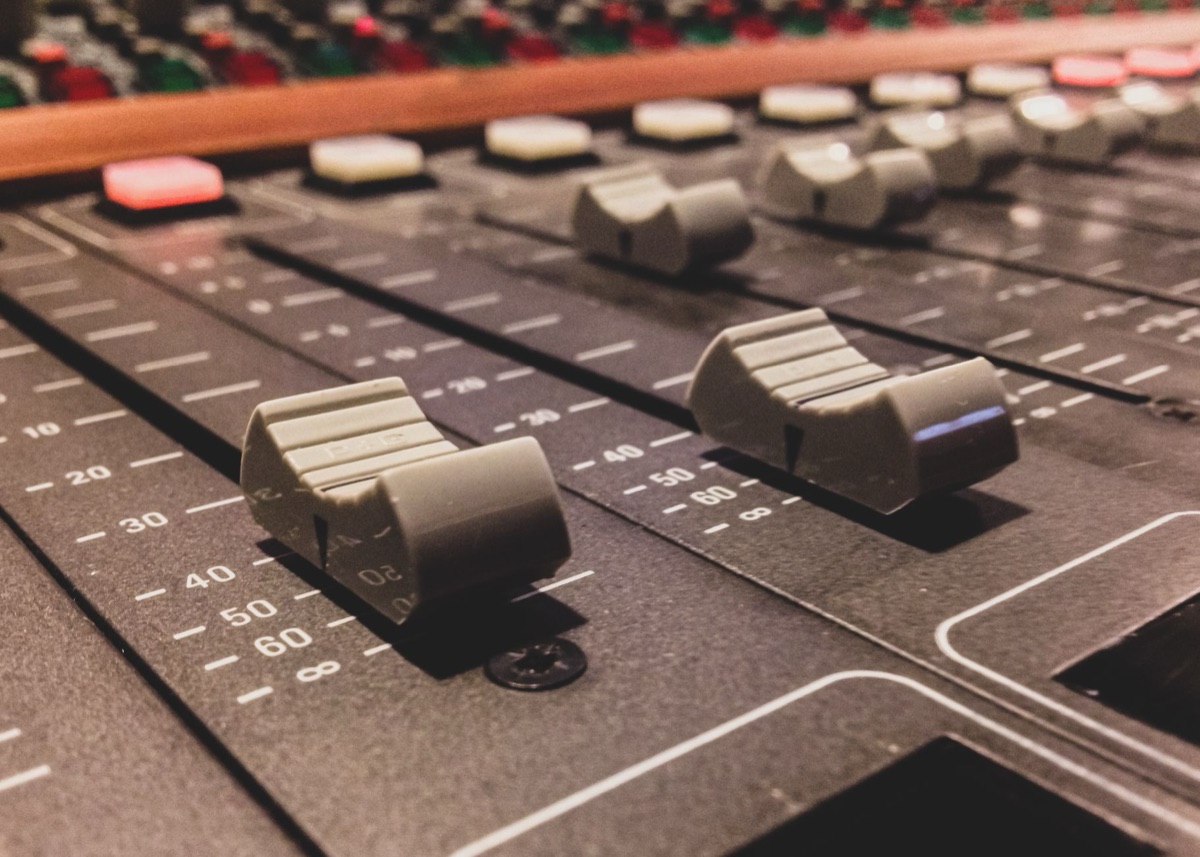
How does sound design fill the empty spaces?
Imagine an animator sitting at a desk in a quiet studio, the faint sound of rain tapping against the windowpane. They aren't just layering sounds; they are designing the texture of a footstep, the rustle of a jacket, and the direction of a gust of wind to create a believable reality.
Sound design in animation is the process of providing an auditory proof for visual information. As digital video technology has advanced, the resolution of sound has increased accordingly, offering even more sophisticated spatial depth.
Between 2004 and 2013, animated feature-length films returned the highest gross margins of all film genres, reaching around 52%. This suggests that audiences were willing to pay for a rich, immersive auditory experience as much as for the visuals themselves.
The final animated piece is also output to various delivery media, ranging from traditional 35 mm film to newer digital video formats. Sound design must be optimized for these different environments.
A massive orchestral swell designed for a theater sounds vastly different from the delicate, ASMR-like Foley effects intended for a mobile device.
The challenge lies in the fact that the "language" of sound changes entirely depending on the genre.
Genre-specific music: Tuning the emotional frequency
Walking through a dark, narrow alley in a thriller, the sudden sound of a dissonant piano chord can trigger an immediate physical reaction. I once sat in a theater during a horror sequence, and the low-frequency hum made the hair on my arms stand up before the monster even appeared on screen.
This is not an accident; it is a psychological tool designed by the composer.
The musical grammar of animation shifts dramatically based on the genre. The following table breaks down how these elements function:
| Genre | Primary Instruments & Musical Traits | Emotional Purpose |
|---|---|---|
| Fantasy / Adventure | Orchestras, harps, woodwinds | Expanding the world and conveying wonder |
| Sci-Fi / Cyberpunk | Synthesizers, electronic sounds, glitch textures | Conveying futuristic textures and human alienation |
| Drama / Slice of Life | Piano, acoustic guitar, string quartets | Establishing character relationships and lyricism |
| Thriller / Mystery | Dissonance, percussion, low bass | Creating tension and psychological unease |
These musical signatures allow viewers to instantly recognize the tone of a work, tuning their emotional frequency to match the story's flow. However, translating this artistic precision into economic value is another layer of the industry.

The growth of the industry and the value of the OST
Standing in a crowded convention hall surrounded by figurines and posters, you can feel the heat of a dedicated fandom. For these fans, the soundtrack is not just something to listen to; it is a tangible piece of the world they want to own.
The expansion of the animation industry has fundamentally changed the music market. As of 2016, Japanese animation accounted for leaking 60% of the world's animated television shows, providing a massive foundation for the global OST market.
The popularity of these works was also reflected in the profitability of the DVD market, which contributed nearly 70% of total sales in certain sectors.
The recent surge in the global market has been even more dramatic. The anime industry was projected to reach a value of $30 billion by 2025, with over 60% of that revenue coming from overseas. This global demand requires a blend of universal musical appeal and localized emotional resonance.
For example, in sometime in 2024, *Jujutsu Kaisen* broke the Guinness World Record for the "Most in-demand animated TV show" with a global demand rating 71.2 times higher than that of the average TV show, previously held by *Attack on Titan*.
This massive demand was fueled in part by soundtracks that could resonate across cultural boundaries.
Of course, not every score guarantees commercial success. Experimental sounds might alienate the masses, while overly commercial tracks risk sacrificing the artistic integrity of the work.
A guide to deep listening: How to experience the music
Before pressing play, take a deep breath and put on your headphones. It is time to listen to the story rather than just watch it.
To fully appreciate the musical value of an animated work, try this step-by-step approach:
- The First Watch (Visual Focus): Watch the work to understand the plot and the visual flow.
- The Second Watch (Auditory Focus): Pay attention to how the silence feels and which instruments appear in specific scenes.
- Analyze the Instrumentation: Observe how a character's theme is played and how that instrument matches their personality.
- Seek Sound Design Details: Look for how sound effects (SFs) interact with the background music (BGM) to create tension.
- Build Your Playlist: Collect the most impactful tracks to create a personal connection to the work.




Comments 0