How does the mecha genre tech shift impact storytelling?
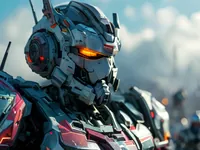
The evolution of SF and mecha animation in 2026 centers on the technical shift from traditional hand-drawn aesthetics to highly integrated cinematic digital rendering. This transition prioritizes the seamless blending of mechanical textures with fluid, organic character movements to enhance immersion.
This article is for science fiction fans and mecha enthusiasts seeking to understand how production technology is transforming the visualization of giant robots and futuristic worlds.
You will learn to distinguish between purely cinematic visuals and genuine technical innovation, how to identify these shifts in new releases, and what to look for regarding production quality.
Please note that although visual fidelity is increasing, core storytelling elements still depend on the original narrative depth.
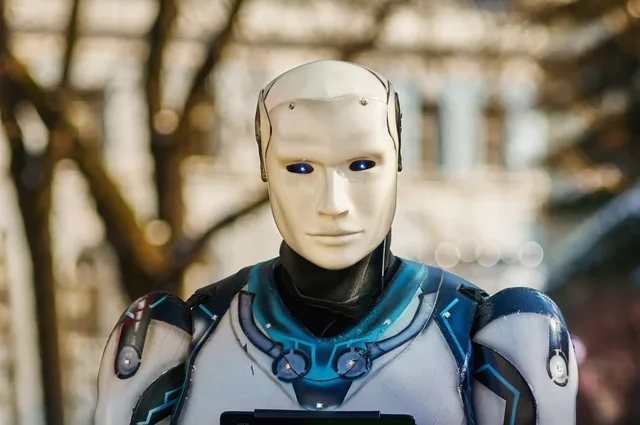
* Integration of high-fidelity mechanical textures. * The shift toward cinematic digital rendering. * Distinction between visual style and technical innovation. * Impact of real-time rendering on mecha movement.
What defines the 2026 SF mecha evolution?
At midnight in the dimly lit studio, the animator's fingers tremble as he watches how the new engine does blend metallic textures with fluid light.
A technician adjusts the lighting parameters on a high-resolution monitor, watching as metallic surfaces catch the light with newfound realism.
The 2026 SF mecha evolution is characterized by a move away from static mechanical designs toward dynamic, interactive environments where machines feel like part of the physical world.
This evolution involves more than just adding more detail to a robot's armor. It represents a fundamental change in how light, shadow, and weight are calculated during the animation process.
Instead of relying on pre-rendered layers that look disconnected from the characters, studios are utilizing integrated pipelines. This ensures that when a mecha moves, the surrounding atmosphere reacts to the displacement of air and the heat of the thrusters.
The rep 2026 SF mecha evolution is driven by the need for deeper immersion in high-definition displays. As viewers demand higher fidelity, the industry is moving toward a hybrid model. This model combines the artistic soul of traditional animation with the precision of modern digital tools.
This shift ensures that the mecha genre does not lose its stylistic charm while gaining unprecedented physical presence.
- Integrate neural-link aesthetics into pilot interfaces.
- Transition from heavy industrial plating to modular kinetic armor.
- Implement real-time physics-based particle effects for thruster exhaust.
How to distinguish cinematic mecha visuals from technical innovation?
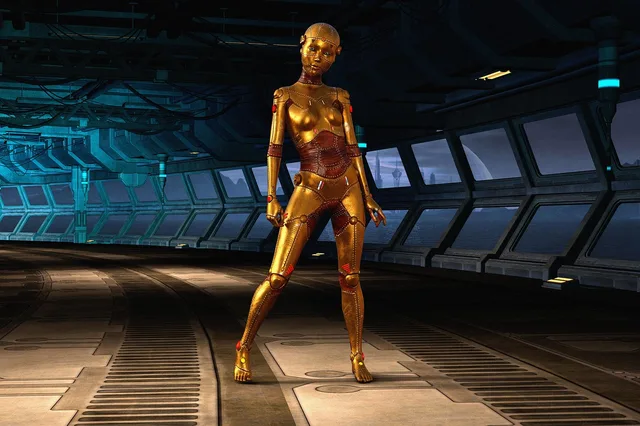
A director sits in a dark theater, observing a scene where a massive machine descends through a cloud layer, the condensation swirling around its limbs. Distinguishing between these two concepts is vital for understanding the current state of the genre.
Cinematic mecha visuals refer to the aesthetic presentation—the "look" of the show. This includes color palettes, dramatic lighting, and the artistic composition of a frame. While beautiful, these can sometimes be superficial, masking a lack of actual mechanical complexity.
High-quality lighting can make a scene look expensive without changing how the machine actually functions within the digital space.
In contrast, mecha production tech refers to the underlying systems that allow for complex interactions. This includes the physics engines used to simulate hydraulic movements or the way metal surfaces dent and scratch in real-time.
True technical innovation is seen when the machine's weight and momentum feel authentic, rather than just looking pretty in a still frame. One might see a beautiful explosion, but technical innovation is felt when the debris follows realistic ballistic trajectories.
In this sequence, the second step is the longest.
What are the trends in 2026 mecha anime tech?
An animator uses a stylus to refine the joint articulation of a robotic limb, ensuring the movement follows a realistic mechanical logic. The new 2026 mecha anime tech is moving toward a standard of "functional realism."
The industry is currently seeing a rise in the use of procedural animation for secondary mechanical parts. This means that instead of animating every single bolt and piston by hand, software manages the micro-movements of a machine's internal components.
This allows the main animators to focus on the primary action while the machine maintains a constant, vibrating sense of life.
Furthermore, the mecha genre tech shift is moving toward more integrated environmental interaction. We are seeing less "floating" animation where characters and machines exist in a vacuum.
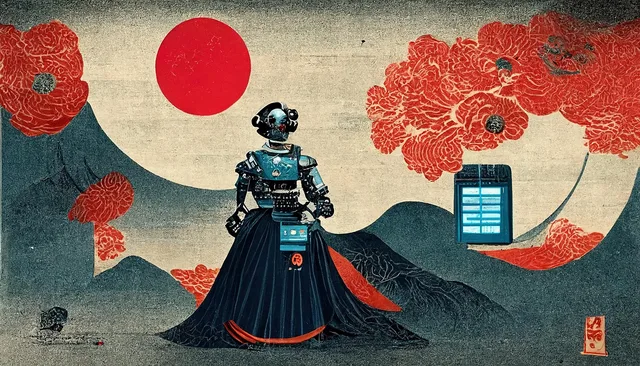
Instead, the new SF mecha animation trends emphasize how a heavy machine affects the ground beneath it, the dust in the air, and the light reflecting off nearby surfaces. This creates a cohesive world where the science fiction elements feel grounded in a tangible reality.
How does the mecha genre tech shift impact storytelling?
A writer stares at a storyboard, noting how a mechanical failure in a pilot's cockpit changes the entire tone of a desperate escape sequence. The evolution of mecha story is deeply tied to these technical advancements.
When technology allows for more realistic mechanical failures, the stakes of the story change. A dent in a shoulder plate or a flickering sensor is no longer just a visual detail; it becomes a narrative beat that signals vulnerability.
This allows for a more nuanced exploration of the relationship between pilot and machine.
The evolution of mecha story is enhanced when the technical capabilities allow for more complex, non-humanoid movements. As machines become more capable of varied, physics-based motions, the way they are used in combat and exploration expands.
This opens up new ways to depict tension, scale, and the sheer power of these technological marvels, moving beyond the repetitive tropes of older eras.
How can I identify high-quality 2026 sci-fi mecha trends?
I watched a recent pilot for a new series and immediately noticed how the light from the cockpit monitors reflected accurately on the pilot's visor, a hallmark of the current technical era. To identify these trends, you should look for specific indicators of production quality.
- Observe the interaction between the machine and its environment, such as dust, water, or light. 2. Check for "weight" in the movement, ensuring that large objects do not move too quickly or without momentum. 3. Look for mechanical consistency, where parts move in a way that suggests an underlying functional structure.
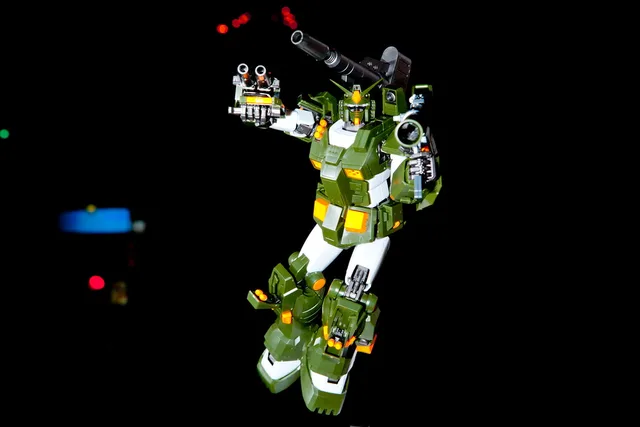
After checking these elements, perform a final assessment: Does the machine feel like a heavy, physical object, or does it feel like a drawing moving across a screen? A high-quality production will pass this test by providing a sense of tangible presence.
What are the limitations of these new technologies?
A studio lead reviews a budget report, noting the high computational costs required for real-time rendering. While the technology is advancing, it is not without its constraints.
The primary limitation is the massive increase in computational power and time required for high-fidelity rendering. Achieving this level of detail often requires specialized hardware and longer production cycles.
Additionally, there is a risk that over-reliance on digital physics can sometimes strip away the stylized, exaggerated charm that fans love in traditional mecha animation. The pursuit of realism must be balanced with the artistic intent of the creators.
The 2026 technical shift in SF and mecha animation represents a significant leap in how digital and hand-drawn elements coexist. By understanding the difference between mere visual flair and true technical innovation, viewers can better appreciate the evolving craftsmanship of the genre.
This evolution remains bounded by the practicalities of production costs and the necessity of maintaining artistic character.





Comments 0