SF mecha: Why SF mecha is special and unique
"The fusion of human emotion and massive steel machinery creates a unique tension that few other genres can replicate."
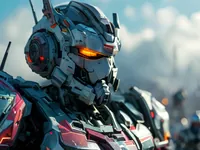
SF mecha works stand out by blending high-concept science fiction with the visceral, physical presence of giant machines to explore the human struggle, illustrating why SF mecha is special. Fans are drawn to these stories to witness the intersection of advanced technology and intense character drama.
This guide examines the genre's core appeal, the evolution of mechanical design, and why these heavy metal narratives continue to captivate audiences worldwide. 1. The psychological connection between pilots and their machines. 2. The visual spectacle of mechanical engineering and scale. 3. The philosophical questions regarding humanity and artificial intelligence. * The tension between technological advancement and destructive warfare.
Why SF mecha is special?
At midnight in the silent living room, I feel the floor vibrate as the massive mecha stomps across the screen.
A viewer sits in a darkened room, the blue light of the screen reflecting off their eyes as a massive metal limb slams into the ground with a heavy, resonant thud. This sensory impact is a primary reason why SF mecha is special.
The genre utilizes the sheer scale of robots to externalize internal human conflicts, turning abstract emotions into physical, clashing steel.
The appeal of the SF mecha genre lies in its ability to use mechanical scale as a metaphor for overwhelming societal or personal forces. While other genres might use magic or superpowers, the mecha genre relies on the perceived weight, inertia, and complexity of hardware.
This grounded approach to fantastic technology makes the stakes feel tangible and the destruction feel consequential.
What makes the SF mecha genre so appealing?
In the dim studio, I hunch over my desk while the cold metal of the mecha model chills my fingertips. A designer hunches over a digital tablet, sketching intricate hydraulic lines and armor plating that must look both functional and intimidating. This meticulous attention to detail is central to the SF mecha genre appeal.
Unlike traditional fantasy, where power often comes from an invisible source, mecha power is derived from visible, complex systems that the audience can almost feel.
The genre's strength is found in the marriage of mechanical realism and speculative science. By establishing rules for how engines, joints, and energy sources function, creators build a world that feels lived-in and logically consistent.
This technical grounding allows the audience to suspend disbelief more effectively, as the machines operate within a framework of perceived physics and engineering.
How do we understand mecha anime masterpiece status?
An animator carefully adjusts the frame rate of a heavy mechanical swing, ensuring the weight of the machine is felt through its slow, deliberate movement.
Achieving mecha anime masterpiece status requires more than just cool designs; it requires a cohesive integration of setting, pilot, and machine. A masterpiece must ensure the robot is not merely a tool, but a central character in the narrative arc.
A masterpiece typically excels in three specific areas: 1. The synchronization between the pilot's psychological state and the machine's performance. 2. The world-building that justifies the existence of such massive technology. 3.
The visual clarity of combat, where scale and movement are rendered with precision.
I remember watching a classic series where the sound of the engine idling felt as important as the dialogue, grounding the entire sci-fi setting in a sense of heavy reality.
How has the mecha genre evolved?
A historian looks through old cel animation archives, noting how the transition from simple, blocky robots to complex, articulated exoskeletons changed the way stories were told.
Observing the mecha genre evolution reveals a shift from "super robots" with near-magical powers to "real robots" that function as military hardware. This shift allowed for deeper political and military storytelling.
The evolution moved from heroic, singular entities toward tactical, mass-produced units. This change mirrored real-world shifts in warfare and technology, moving the focus from individual heroism to the systemic impact of mechanized conflict.
As technology in the real world advanced, the mecha genre followed, incorporating more sophisticated aesthetics and complex mechanical logic.
Uncovering mecha production secrets
A technician in a studio monitors the layering of digital effects, accounting for mecha studio differences to ensure the glow of a cockpit display contrasts perfectly with the dark metal of the exterior. To understand mecha production secrets, one must look at the coordination between mechanical designers and animators.
The design must be detailed enough to be interesting but simple enough to be animated consistently across hundreds of frames.
The process involves a delicate balance of several elements: 1. Mechanical design that emphasizes silhouette and recognizable parts. 2. Sound design that provides the "weight" missing from purely visual cues. 3. Color palettes that distinguish various factions and technological tiers.
When these elements align, the machine ceases to be a drawing and becomes a perceived physical object with mass and momentum.
Understanding mecha cinematic experience
A director stands before a massive screen, adjusting the lighting to emphasize the shadow cast by a towering mechanical foot. Creating a true mecha cinematic experience involves managing the viewer's sense of scale.
This is often achieved through low-angle shots and environmental destruction that emphasizes how much space a single unit occupies.
The cinematic quality is heightened when the camera mimics the perspective of a human bystander or a cockpit pilot. This perspective shift helps the audience grasp the sheer magnitude of the machines.
By treating the mechanical combat as a high-stakes cinematic event rather than just an action sequence, creators can evoke a sense of awe and dread.
| Feature | Super Robot Style | Real Robot Style |
|---|---|---|
| Primary Focus | Heroic feats and unique powers | Tactical combat and military logic |
| Machine Nature | Singular, often semi-mystical | Mass-produced, realistic hardware |
The distinction between these two styles defines much of the genre's history, with one focusing on the spectacle of the individual and the other on the reality of the machine.
The fascination with the SF mecha genre stems from its unique ability to make the fantastic feel heavy and the emotional feel mechanical.
While the genre excels at portraying massive scale and technological wonder, its effectiveness is often limited to stories where the technology is central to the thematic conflict.




Comments 0