Anime Genre: Beyond Tags to Find the True Story Core
"A label is a starting point, but a masterpiece is defined by how it breaks the very box it was placed in."
How do we distinguish a cosmic space opera from a psychological thriller when they share the same visual language? Understanding genre requires looking past the surface-level art style to the structural bones of the story.
* Genre is a fluid negotiation between traditional tropes and thematic execution. * Historical production contexts heavily influence how we categorize works. * Modern classification requires looking beyond marketing tags to underlying philosophical structures. * The massive global scale of the industry drives the evolution and diversity of these categories.

What is the fundamental challenge in labeling anime genres?
I sat in a dim screening room last Tuesday, watching a series that claimed to be a "Slice of Life," yet the heavy, existential dread felt more like a cosmic horror. The subtitles scrolled by, but the genre tag on the screen felt like a lie.
The primary difficulty lies in the inherent blending of elements, such as when a high-fantasy setting is used to explore hard science-fiction concepts.
There is a massive distinction between *tagging*—the marketing labels used to grab attention on a streaming menu—and true *analysis*, which looks at the critical theory behind the work.
Unlike many Western live-action traditions that often adhere to rigid genre boundaries, anime frequently uses hyper-stylized visuals to mask complex, multi-layered narratives that defy a single label.
This creates a tension between audience expectations and the creator's intent, where a viewer expecting a simple adventure might find themselves lost in a philosophical labyrinth.
This friction between expectation and reality is where the most profound storytelling often begins.
Tracing the Evolution: How has the concept of "Anime Genre" changed historically?
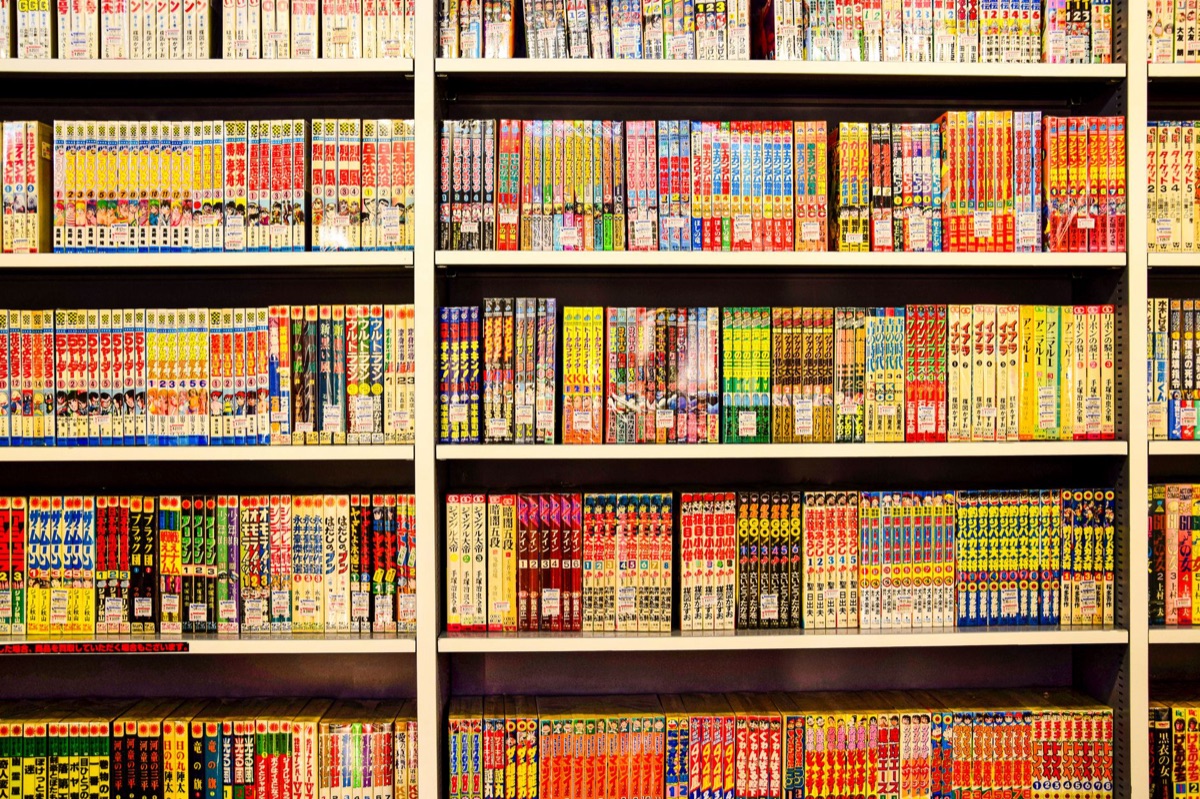
I remember flipping through grainy, hand-drawn cel animation magazines in the late nineties, where "Mecha" seemed to be the only category that mattered. Back then, the lines were clear, the battles were loud, and the morality was often black and white.
The concept of genre has undergone a massive transformation from those early, simpler adventure archetypes to the complex psychological dramas we see today.
In the early decades, genre conventions were solidified by technological limitations and specific demographic targeting, but as the medium matured, these boundaries began to dissolve.
Globalization played a massive role in this shift, as international trends began to feed back into domestic production, creating a feedback loop of stylistic innovation.
As the industry grew, the shift from simple episodic adventures to long-form, character-driven epics reflected a maturing audience that demanded more than just spectacle.
This evolution was not just artistic; it was fueled by an explosive shift in the economic power of the medium.
Beyond the Surface: Deconstructing Genre through Thematic Archetypes
A single raindrop hitting a windowpane can signify a moment of peace in a romance or a moment of profound loneliness in a tragedy. The scene is identical, but the genre is dictated by the emotional weight assigned to that visual cue.
To truly understand a masterpiece, one must identify the core philosophical conflict, such as the struggle between existential dread and clear-cut heroism.
There is a vital difference between *Genre Tropes*—the predictable elements like a "chosen one" or a "magical school"—and *Masterful Execution*, where those tropes are used to subvert the audience's expectations.
Certain narrative devices, like a time loop, can function as a sci-fi hook or a psychological trap depending on how the writer handles the character's internal growth.
Some works adhere strictly to their genre to provide comfort, while others use the genre merely as a Trojan horse to deliver a radical subversion of reality.
This tug-of-war between the familiar and the unexpected is what keeps the global audience engaged.
The Global Context: How does the industry scale influence genre perception?
Walking through a massive convention center in Los Angeles, surrounded by thousands of fans, the sheer scale of the industry becomes a physical weight. You realize that the shows being watched here are part of a global economic engine that dictates what gets produced.
The financial scale of the industry directly influences how genres are perceived and developed. The massive growth of the market has allowed for niche genres to find global audiences, moving beyond the standard hits to more specialized storytelling.
Historically, the industry's reach has been vast; for instance, in 2019, Japan's anime industry was valued at $24 billion a year, with 48% of that revenue coming from overseas, marking its largest industry sector.
This international demand means that genre trends are often shaped by what resonates globally, not just locally.
The sheer volume of revenue underscores the importance of these categories in a competitive global market.
| Metric | Historical Context | Modern Impact |
|---|---|---|
| Primary Driver | Domestic TV Broadcasts | Global Streaming & Merch |
| Genre Scope | Narrow, demographic-specific | Broad, cross-cultural |
| Revenue Source | Local licensing & physical media | Overseas markets & digital |
The shift in market dominance is clear: North America and Asia contributed a combined $14.3 billion in total revenue, accounting for over 72% of anime's global impact.
This massive concentration of power means that genre trends are often a reflection of these dominant markets, yet the diversity of content continues to expand as the industry reaches toward a projected $30 billion value by 2025, with over 60% of that revenue expected from overseas.
Navigating the Modern Landscape: Genre vs. Tropes in the Streaming Age
I recently found myself scrolling through a streaming app at 1:00 AM, paralyzed by a wall of colorful thumbnails, each promising a different experience but all looking remarkably similar. The sheer volume of choice makes it harder to find the substance beneath the style.
In the age of instant streaming, there is a constant pressure for rapid consumption, which often favors "bingeable" tropes over deep, slow-burn narratives.
This creates a challenge: how do we maintain the depth required for critical appreciation when the medium is being optimized for endless scrolling?
Modern creators often intentionally blur genre lines to challenge the viewer, using the familiarity of a trope to lure them into a more complex territory.
This is why a "Curator's Lens" is becoming essential; we need to look past the clickbait titles to find the structural integrity of the stories being told.
As we move forward, the ability to distinguish between a mere "tag" and a profound narrative structure will define the true connoisseur.
How to Analyze a Series: A Step-by-Step Guide
When you sit down to watch a new series, don't just let the subtitles wash over you. Use this checklist to peel back the layers of the narrative.
- Identify the Hook: Determine the initial genre tag provided by the marketing (e.s., "Fantasy" or "Sports").
- Observe the Conflict: Look for the central problem. Is it an external battle or an internal psychological struggle?
- Check the Tone: Notice the music, lighting, and pacing. Does the mood match the label, or is it intentionally clashing?
- Evaluate the Subversion: Ask yourself if the story is following the rules of its genre or using them to lead you toward a different destination.
- Synthesize the Theme: Determine the core message. If the "action" is just a backdrop for a story about grief, the true genre is a drama.





Comments 0